

Arizona
5 min read
ARS 13-1405 Explained: Arizona Charges and Age Rules
Understand Arizona’s ARS 13-1405, its offense elements and classifications, related defenses, and the questions to take to a lawyer.
Read article
Clear explanations of age-of-consent laws, close-in-age provisions, digital safety, and court procedures, with links to official sources.
64 articles
Understand Arizona’s ARS 13-1405, its offense elements and classifications, related defenses, and the questions to take to a lawyer.

Learn how Alabama’s second-degree sodomy provision uses conduct, ages, and an exact age difference, and how to read an allegation carefully.

Understand Alabama’s general majority age, contract rights at eighteen, and why marriage and sexual-offense laws use separate requirements.
Learn how Nebraska’s majority rule differs from contract rights at eighteen, mental health consent, and the ages used in criminal statutes.
Understand Mississippi marriage-age requirements, consent documents for applicants under twenty-one, court questions, and circuit-clerk procedures.
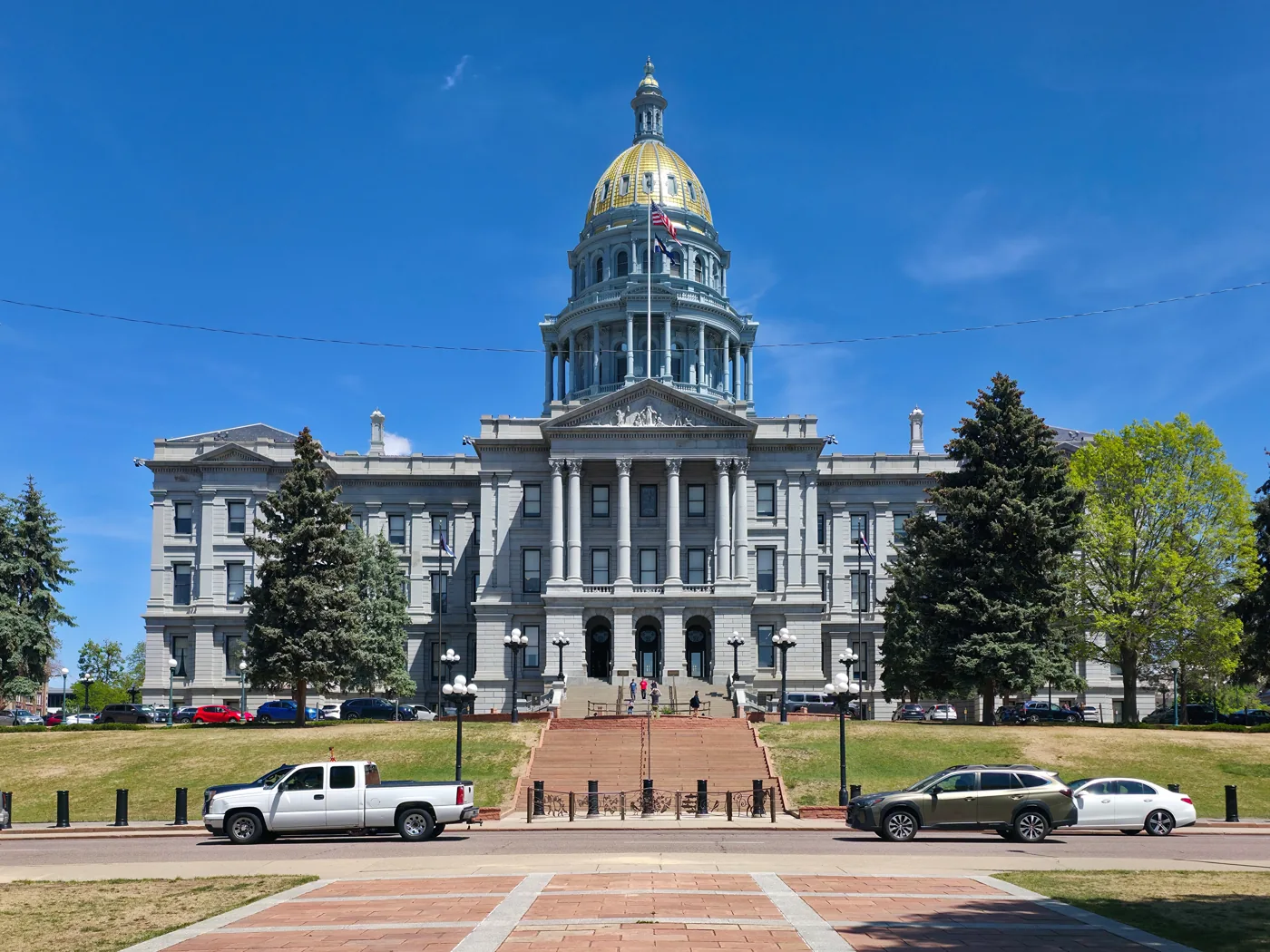
Learn what Colorado’s age-of-competence law changes at eighteen and why contracts, child support, and consent questions require different rules.
Understand why sexting deadlines depend on the offense, state or federal law, relevant dates, and exceptions rather than one nationwide limit.

Understand Louisiana’s youth-sexting statute, its age conditions, different penalty categories, AI-image provisions, and safe steps for families.
Learn Indiana’s marriage-age rules, juvenile-court approval requirements, exact age-gap conditions, and license application steps for young applicants.
Understand Washington’s eighteen-year marriage minimum, the 2024 change, application requirements, waiting period, and license expiration.
Moving can change sex-offender registration duties. Learn how to check departure, arrival, housing, supervision, prior relief, and federal requirements.
Registration relief does not automatically erase a conviction. Compare removal, sealing, expungement, and vacatur, and learn which documents to check.
Prepare for a close-in-age lawyer consultation with questions about exact ages, defenses, images, confidentiality, fees, deadlines, and possible consequences.
Can a family withdraw statutory charges? Learn who controls prosecution, how to correct facts, and why wishes, court orders, and dismissals differ.
Understand what may follow a parent report: agency review, interviews, evidence handling, charging decisions, safety measures, and state-specific procedures.
Respond to teen sextortion with clear family steps: stop payments, preserve useful information, report threats, and use NCMEC image-removal tools safely.
Learn how ages, exact gaps, prior offenses, and statutory conditions affect felony or misdemeanor classification, and why a reduction is not legal permission.
Learn how to respond when a teen receives an explicit image: check safety, avoid forwarding, document account details, and find reporting and support options.
Understand how explicit texts and images raise different legal issues, including enticement, age limits, threats, and safe steps for getting advice.
Learn why turning eighteen does not change the age shown in an earlier image, how later sharing raises issues, and where removal help is available.
Learn why two minors can face sexting consequences, how state defenses differ, and how to respond to unsolicited images, threats, or further sharing.
Understand when federal sexual-offense laws can apply, why they do not replace state consent laws, and how enticement, travel, and images differ.
Learn which facts matter when teenage partners live in different states, including visits, messages, travel, birthdays, and separate federal laws.
Learn why a close-in-age defense may not prevent arrest or charges, how defenses differ from reduced offenses, and what matters during a criminal case.
Understand how age, actual agreement, pressure, and incapacity differ, with practical examples and official sources explaining the legal questions.
Learn why teachers and coaches cannot rely only on consent ages, how authority and enrollment matter, and what families should check when concerns arise.
Learn when emancipation affects consent laws, why California and Florida differ, and which dates, documents, and separate legal rules matter most.
Age of consent and age of majority answer different questions. See state examples, close-age rules, actual consent, and separate thresholds for sexual images.
Same-sex couples may qualify for close-age provisions. Compare Arizona’s neutral conditions, Texas’s published wording, and the limits of broad legal claims.

A mistake about age is not a universal defense. Compare specific rules in six states, evidence requirements, and the difference from close-age defenses.
High-school attendance can matter under a specific close-age defense. Learn Arizona’s conditions, graduation issues, exact age gaps, and authority concerns.
Dating before eighteen does not create automatic legal protection. Compare state examples, birthday changes, exact age gaps, and rules for later conduct.

Learn how turning eighteen affects specified consensual sexual conduct in Virginia, why ordinary dating differs, and which age conditions the law uses.

Ohio’s unlawful-conduct statute requires an actor age eighteen or older. See what that means for sixteen- and seventeen-year-olds and later birthday changes.

Georgia’s close-age rule can reduce statutory rape to a misdemeanor. Learn the age conditions, exact four-year boundary, and why reduction is not permission.
Understand Colorado’s four-year and ten-year age-gap thresholds, younger-person brackets, exact birthdays, and the separate rules for positions of trust.
Arizona’s close-age defense uses under nineteen or high-school attendance. Learn the twenty-four-month limit, covered offenses, consent, and exceptions.

Pennsylvania’s consent age does not resolve corruption-of-minors charges. Learn §6301’s actual elements, misdemeanor and felony differences, and limits.
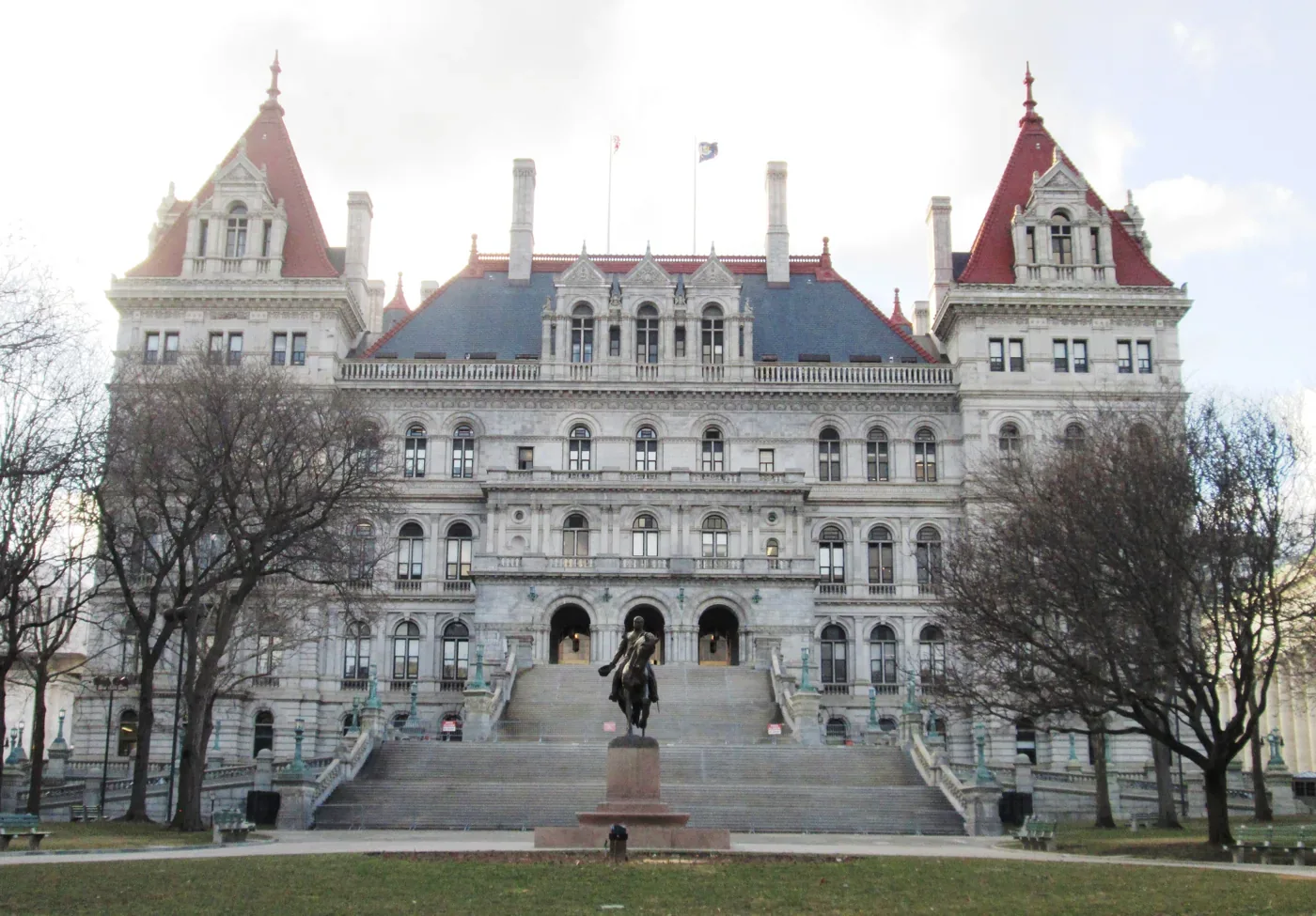
Can eighteen and seventeen date in New York? Learn what the seventeenth birthday changes, how consent works, and why images need separate consideration.

Can eighteen and sixteen date in Florida? Understand the twenty-four threshold, consent, school authority rules, and why images raise separate issues.

Can eighteen and sixteen date in Texas? Learn how ordinary dating differs from sexual conduct, which close-age defenses may apply, and their limits.
Texas’s three-year defense depends on the offense, ages, and other conditions. Compare sexual assault, indecency, exact birthdays, and digital conduct.

Understand the stages of a criminal case, from investigation and early hearings to discovery, pleas, trial, sentencing, and the deadlines that matter.
Florida’s Romeo and Juliet law offers limited registration relief, not immunity. Understand eligibility, the four-year gap, court orders, and records.

California’s three-year age gap rule affects offense grading, not legal consent. Learn how §261.5 treats close ages, exact birthdays, and dating.
Calculate an age gap using full birth dates and the statute’s exact wording. Understand inclusive limits, event dates, birthdays, and worked examples.
Romeo and Juliet provisions do not automatically cover sexting. Learn how physical conduct, explicit images, text messages, and age rules differ.
Parental approval does not create a general exemption from sexual-offense laws. Understand dating permission, consent, court orders, and state rules.
Parents can report concerns about teen dating, but a report and a criminal charge are different. Learn who makes decisions and which facts matter.

Understand offense elements, proof beyond a reasonable doubt, age and knowledge requirements, defense burdens, and the questions to ask about a criminal charge.
When one partner turns eighteen, the legal question depends on conduct, location, and timing. Learn which birthdays matter and what to check next.
Can eighteen and seventeen date in Florida? Review the specific age provisions, school authority rules, actual consent, images, and family concerns.
Learn how California law treats dating at eighteen and seventeen, why its three-year rule changes offense grading, and which separate limits matter.
Can an eighteen-year-old date a seventeen-year-old in Texas? Understand the age threshold, earlier conduct, school roles, consent, and image laws.

A practical sequence for families to separate safety concerns, specific conduct, age rules, school processes, and legal advice.
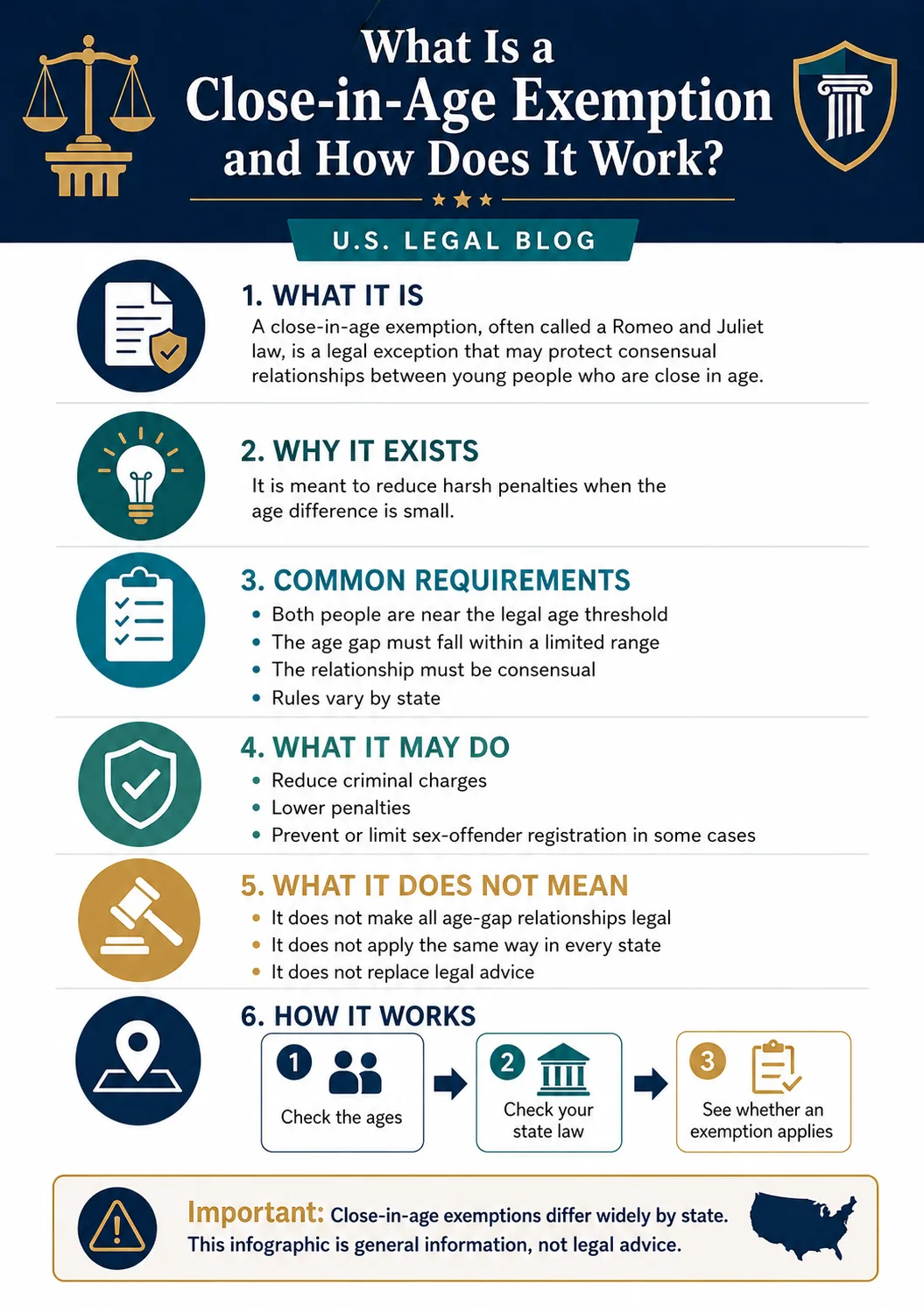
Learn what a close-in-age exemption means, compare four statutory examples, and understand why an age gap alone does not settle a legal question.
Compare state close-in-age rules by legal effect, covered conduct, dates, and limitations using official statutory examples.

Work through official statutory examples to separate age requirements, offense elements, defenses, and registration relief.

Understand the meaning of Romeo and Juliet laws, the legal vocabulary behind them, and why close age does not guarantee one outcome.

Learn how age of consent differs from adulthood, close-age provisions, actual agreement, and the separate rules governing images.

Separate ordinary dating from sexual conduct, images, and court orders when checking how the law treats an eighteen-year-old and a minor.

Understand how an age-based offense interacts with close-age rules, defenses, charge levels, evidence, and registration consequences.

Understand registration for young adults, federal and state differences, close-in-age exclusions, relief options, and questions to resolve before a plea.

Understand representation, questioning, confidentiality, school proceedings, and evidence handling when a minor is involved in a consent case.