
In this article
Washington requires both people entering a marriage to be at least eighteen. The current law does not provide an under-eighteen route based on parental permission or a judge's approval. If an old checklist says a seventeen-year-old can marry with consent, it may describe the rules before the 2024 change.
Age eligibility is only the beginning of the application process. Couples still need the proper license, must observe the waiting period, and must complete the ceremony within the license's usable dates. Here is how to check those steps without relying on outdated instructions.
Washington's minimum marriage age is eighteen
RCW 26.04.010 establishes marriage as a civil contract between two otherwise capable people who have each reached eighteen. It also addresses marriages entered into below that age. The 2024 act's application provision identifies June 6, 2024, as the relevant starting date for marriages entered into under the new law.
That date is important when comparing current requirements with an old record or archived webpage. A rule for a new marriage should not be applied casually to determine the status of a marriage entered into years earlier. A historical validity question needs legal review of the law and facts applicable to that marriage.
For someone planning a wedding now, however, the age requirement is direct: both applicants need to be eighteen or older.
Can a parent or court approve an exception?
The current minimum-age rule does not offer a parental-consent or judicial-approval exception for a new under-eighteen marriage. A family's agreement, a planned ceremony, or an expectation based on an old website does not replace the current requirement.
This is an area where old forms can be misleading. A downloadable document may remain available after the law it described has changed. Check the current statute and county licensing instructions, rather than assuming an official-looking PDF is still current.
If a young person is being pressured to marry, a private conversation with an independent support provider can be helpful. The licensing question and the person's safety should be addressed separately; the absence of an available license does not necessarily end pressure from other people.
How to prepare for a marriage-license application
Applications are handled through Washington county offices. RCW 26.04.160 describes information required in the application, including identity, age, and marital-status details. County instructions explain how to submit the application and complete the local process.
Contact the issuing office before assuming an online submission completes everything. In King County, for example, the recorder's marriage-licensing page explains its online, in-person, and mail procedures. The required follow-up differs by route.
Ask about identification, signatures, payment, and any documentation related to a previous marriage. If instructions appear inconsistent, request clarification directly from the office. A generic national marriage website cannot confirm how a particular application will be processed.

The waiting period and expiration are separate
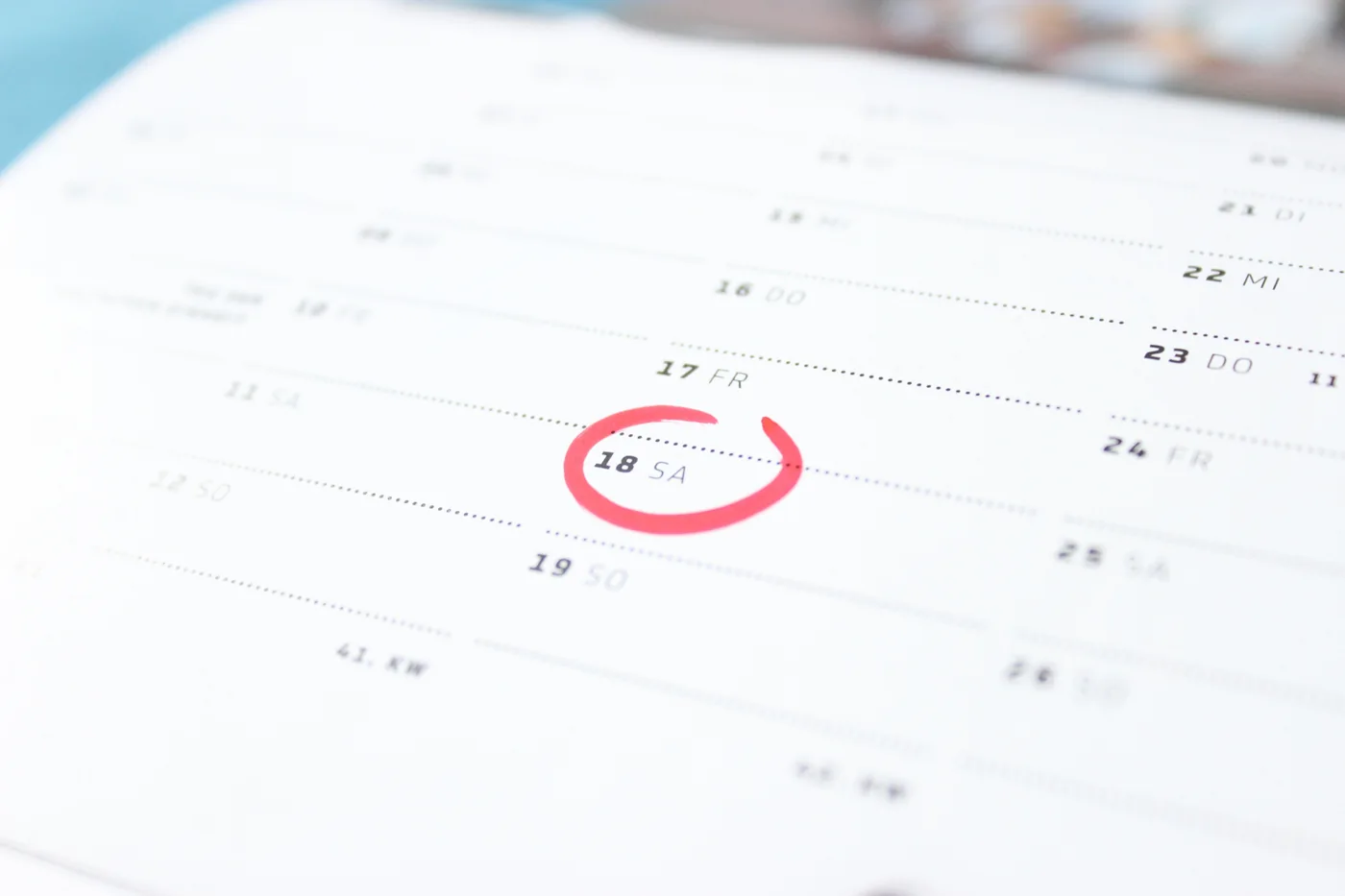
RCW 26.04.180 establishes a three-day waiting requirement tied to the application and makes the license void if the marriage is not solemnized within sixty days of issuance. The dates printed or supplied by the issuing office should guide ceremony planning.
Do not count from the moment you first open an online form. Processing, payment, completion of the application, and issuance can occur at different times. Ask the office to confirm the first usable date and final usable date for the actual license.
| Planning question | What to confirm |
|---|---|
| Are both people age-eligible? | Each has reached eighteen before entering the marriage |
| Is the application complete? | The office has received the required information, signatures, and payment |
| When can the ceremony happen? | The first usable date confirmed by the issuing office |
| When does the license expire? | The deadline based on the issued license |
| What happens after the ceremony? | Completion and return of the required marriage documents |
Treating these as separate steps prevents an age-eligible couple from overlooking a timing requirement.
A birthday example
Imagine a couple wants a ceremony near one partner's eighteenth birthday. The birthday alone should not determine when they book the event. They also need to know when the application can be completed, when a license can be issued, and when that particular license becomes usable.
The sensible next step is to give the issuing office the intended dates and ask how its current process works. Do that before paying deposits or relying on an unofficial calculation of the waiting period.
This example concerns administrative planning. It does not establish that an office must accept an application before a birthday or that a ceremony may proceed without a valid license. Those details should be confirmed directly.
Does an out-of-state marriage change the answer?
Obtaining a new Washington license and asking whether Washington recognizes a marriage entered into elsewhere are different legal questions. Recognition can involve additional law, the place and date of marriage, and the circumstances of the parties.
Do not assume travel to another state provides a simple workaround to Washington's current age rule. Anyone facing an actual recognition or validity question should obtain legal advice about the specific marriage. A table of state minimum ages is not enough to decide it.
Our marriage-age comparison guide is a research starting point. It should not be used to plan around restrictions without checking the law that applies to the people and places involved.
Marriage age and consent age should stay separate
Marriage requirements do not establish the rules for every in-person relationship, and consent-age rules do not replace the requirements for marriage. Each subject uses its own statutory framework.
For the separate sexual-offense questions, see the Washington state guide. For a new Washington marriage, keep the practical checklist simple: both people must meet the current age requirement, the application must be completed, and the ceremony must fall within the license's usable dates.
Sources and further reading
- Washington Legislature: RCW 26.04.010, marriage age and 2024 application date
- Washington Legislature: RCW 26.04.160, application requirements
- Washington Legislature: RCW 26.04.180, license timing
- King County Recorder: marriage-licensing instructions