
Romeo and Juliet laws by state explain when a close-in-age relationship may be treated differently under statutory rape or sexual offense laws. We all know that these laws usually protect teenagers or young adults who are close in age from being punished the same way as adults who exploit minors. But from what I've seen, the rules are not the same everywhere. Some states have clear close-in-age exceptions, some only reduce charges, and some offer no specific protection at all.
In simple terms, I'd say a "Romeo and Juliet law" is a close-in-age exception. It may apply when one person is below the age of consent, but the other person is only a few years older. The goal, I believe, is to avoid treating ordinary teenage relationships like predatory crimes.
The age of consent in the United States generally ranges from 16 to 18, depending on the state. I've always found that Cornell's Legal Information Institute explains it well — age of consent varies by state and is the age at which a person is considered legally able to consent to sexual activity.
Legal warning: state laws change, and the exact result can depend on age, conduct, consent, authority relationships, prior history, school rules, reporting duties, and local prosecution policy. I'd recommend always checking the current statute or speaking with a licensed attorney in the relevant state.
What Are Romeo and Juliet Laws?
I've noticed that Romeo and Juliet laws are not usually separate laws with that exact name. They are usually written into a state's sexual offense statutes as a close-in-age exception, age-gap defense, or reduced penalty rule.
For example, a state may say that sexual activity with someone under 16 is illegal, but it may create an exception if both people are teenagers and the older person is no more than two, three, four, or five years older.
That does not mean every teen relationship is legal. I'd say it also does not mean parents, schools, or police will ignore the situation. It only means the criminal law may treat close-age relationships differently from relationships involving a much older person.
Why These Laws Matter for College Students, Parents, and Teachers
In my experience, Romeo and Juliet laws often come up during the transition from high school to college. A senior may turn 18 while dating someone who is still 16 or 17. A college freshman may continue a relationship with a high school student. A parent may worry after finding texts. A teacher or counselor may have a mandatory reporting duty.
I think the biggest mistake is assuming one national rule applies everywhere. There is no single U.S. Romeo and Juliet law for all ordinary state cases. Most age-of-consent issues are handled under state law, and each state uses its own language, age limits, and exceptions.
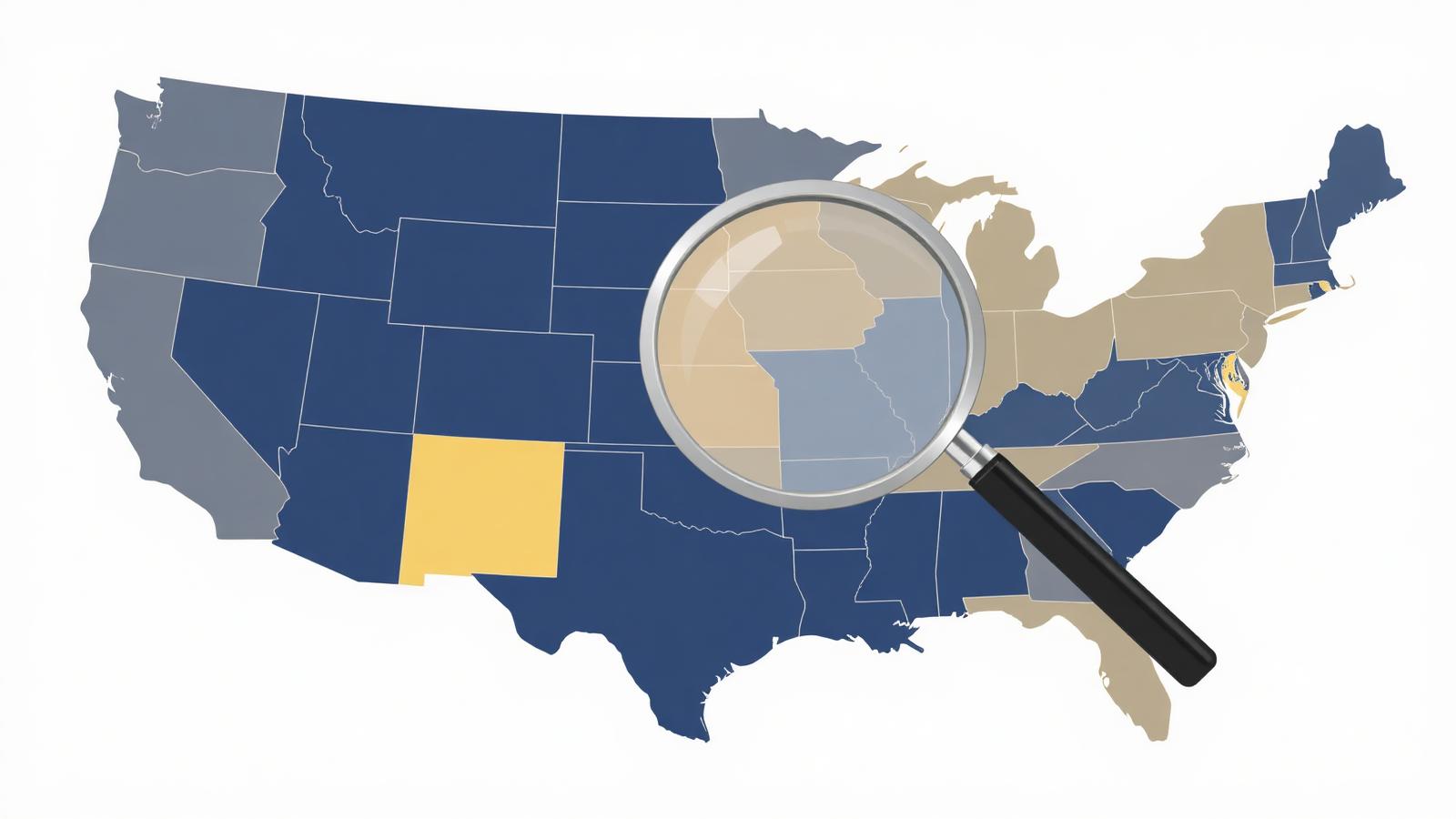
Romeo and Juliet Laws by State in 2026
The list below gives a general 2026 overview of state age-of-consent rules and close-in-age exceptions. I'd suggest using it as a starting point, not as legal advice. I personally feel you should always verify with the official state code before relying on any summary.
- Alabama — Age of consent 16. Yes; commonly described as a 2-year gap if the minor is 12–15.
- Alaska — Age of consent 16. No specific Romeo and Juliet law listed.
- Arizona — Age of consent 18. Yes; peer-age defense for certain 15–19 situations.
- Arkansas — Age of consent 16. Yes; 3-year gap for minors 14+.
- California — Age of consent 18. No full exception; close age may affect misdemeanor/felony treatment.
- Colorado — Age of consent 17. Yes; broader rules for 15–16 and narrower rules for younger minors.
- Connecticut — Age of consent 16. Yes; 2-year gap if minor is 13–15.
- Delaware — Age of consent 18. Yes; protection may apply where defendant is under 30 and minor is 16+.
- Florida — Age of consent 18. Yes; 4-year gap if minor is 16–17.
- Georgia — Age of consent 16. No full exception, but lesser treatment may apply for 14–18 with under 3-year gap.
- Hawaii — Age of consent 16. Yes; 5-year gap if minor is 14–15.
- Idaho — Age of consent 18. No specific close-in-age exemption listed.
- Illinois — Age of consent 17. Yes; 5-year gap if minor is 13–16.
- Indiana — Age of consent 16. Yes; close-in-age defense may apply if minor is 14+.
- Iowa — Age of consent 16. Yes; 4-year gap if minor is 14–15.
- Kansas — Age of consent 16. Yes; both 14–18 and less than 4-year gap.
- Kentucky — Age of consent 16. No specific close-in-age exemption listed.
- Louisiana — Age of consent 17. Yes; both 13–17 and within 3 years.
- Maine — Age of consent 16. Yes; 5-year gap if minor is 14–15.
- Maryland — Age of consent 16. Yes; 4-year gap if minor is 14–15.
- Massachusetts — Age of consent 16. No specific close-in-age exemption listed.
- Michigan — Age of consent 16. Yes; 5-year gap if minor is 13–15.
- Minnesota — Age of consent 16. Yes; age-gap rules vary by age and offense.
- Mississippi — Age of consent 16. Yes; 2-year gap if minor is 14–15.
- Missouri — Age of consent 17. No specific close-in-age exemption listed.
- Montana — Age of consent 16. Yes; close-in-age protection may apply if both are under 18.
- Nebraska — Age of consent 16. Yes; minor 12–15 and actor no more than 19.
- Nevada — Age of consent 16. No specific close-in-age exemption listed.
- New Hampshire — Age of consent 16. Yes; minor 13–15 and partner less than 4 years older.
- New Jersey — Age of consent 16. Yes; 4-year gap if minor is 13–15.
- New Mexico — Age of consent 17. Yes; 4-year gap if minor is 13–16.
- New York — Age of consent 17. Yes; certain 15–16 situations where partner is under 21.
- North Carolina — Age of consent 16. Yes; 4-year gap if minor is 13–15.
- North Dakota — Age of consent 18. Yes; minor 15–17 and partner no more than 3 years older.
- Ohio — Age of consent 16. No specific exception, but close age may affect charge severity.
- Oklahoma — Age of consent 16. No specific close-in-age exemption listed.
- Oregon — Age of consent 18. Yes; 3-year gap if minor is 14–17.
- Pennsylvania — Age of consent 16. Yes; 4-year gap if minor is 13–15.
- Rhode Island — Age of consent 16. No specific close-in-age exemption listed.
- South Carolina — Age of consent 16. No specific close-in-age exemption listed.
- South Dakota — Age of consent 16. Yes; 3-year gap if minor is 13–15.
- Tennessee — Age of consent 18. Yes; 4-year gap if minor is 13–17.
- Texas — Age of consent 17. Yes; 3-year gap if minor is 14–16.
- Utah — Age of consent 18. Yes; age-gap rules vary for 14–15 and 16–17.
- Vermont — Age of consent 16. No specific close-in-age exemption listed.
- Virginia — Age of consent 18. Yes; minor 15–17 and partner less than 5 years older.
- Washington — Age of consent 16. Yes; limited protection for certain 12–15 cases under 2-year gap.
- West Virginia — Age of consent 16. Yes; 4-year gap if minor is 11–15.
- Wisconsin — Age of consent 18. Yes; close age may reduce charges; certain 16+ situations may be treated differently.
- Wyoming — Age of consent 16. Yes; 4-year gap if minor is 13–15.
- District of Columbia — Age of consent 16. Reported close-in-age protection for partners less than 4 years older.
I'd recommend using our Compare States tool to put two jurisdictions side by side, and the Age Gap Checker for a quick read on a specific situation.
Common Real-World Examples
Example 1: 18 and 16
In many states where the age of consent is 16, I'd say an 18-year-old and 16-year-old relationship may not violate age-of-consent law by itself. But in states where the age of consent is 17 or 18, the answer may depend on the close-in-age exception.
The bigger warning, from what I've seen: photos, videos, sexting, school rules, and authority relationships can create separate legal problems even if the age gap seems small.
Example 2: 19 and 15
This is riskier. Some states may allow a 3- or 4-year close-in-age exception for a 15-year-old. Others may not. A few months can matter. So can the exact birthday, type of conduct, and whether one person is in a position of authority.
Example 3: College freshman and high school junior
This is one of the most common situations I've come across. A college student may assume that because both people recently attended the same high school, the relationship is automatically protected. I'd say that is not safe. State law controls, and colleges may also have their own conduct policies.

Common Misunderstandings About Romeo and Juliet Laws
"Dating is illegal if one person is 18 and the other is 17."
Usually, the legal issue is not ordinary dating. I'd say the risk usually involves sexual activity, explicit images, coercion, or school/authority rules.
"If parents approve, it is legal."
Parental approval does not override criminal law. Parents may support or oppose a relationship, but I think it's important to understand they cannot give legal consent for a minor to engage in conduct that state law prohibits.
"If the younger person says yes, there is no crime."
Statutory rape laws exist because the law may treat a minor as unable to legally consent below a certain age. From what I've seen, statutory rape can apply even when there is no force or threat.
"Age of consent is the same as age of majority."
No. I've noticed people mix these up constantly. A person may be above the age of consent but still legally a minor for other purposes. Age of majority usually deals with adulthood, contracts, custody, and similar civil matters. Age of consent deals with sexual activity.
"Romeo and Juliet laws protect every close-age couple."
Not always. Some states have no specific exception. Some states only reduce penalties. Some exceptions apply only to certain ages, not all minors.
Special Warnings Parents and Teachers Should Know
I'd recommend parents and teachers be careful before giving simple advice like "it is legal" or "it is illegal." The answer can change based on one fact.
Watch for these issues:
- One person is a teacher, coach, tutor, employer, counselor, or authority figure.
- The younger person is below the minimum age covered by the exception.
- The age gap is just outside the legal limit.
- Explicit photos or videos were shared.
- The people are in different states.
- A school, college, or youth organization has separate reporting rules.
- The younger person is intoxicated, pressured, threatened, or unable to freely consent.
I've seen that states consider more than age alone, including incapacity, intoxication, consciousness, and authority relationships.
Federal Law and Online Conduct
Most everyday age-of-consent cases are state matters. But I'd say federal law can become relevant in certain settings, including federal land, interstate travel, online exploitation, or explicit images involving minors.
This is where many teenagers and college students get into trouble without understanding the risk. A close-in-age exception under state law does not automatically make explicit images legal. Even consensual sexting involving a minor can create serious legal consequences. For more on that, see our Sexting Laws by State guide.
For safety, I'd say students should understand this rule clearly: never request, send, store, or forward explicit images of anyone under 18.
Conclusion: Romeo and Juliet Laws by State Need Careful Checking
I believe Romeo and Juliet laws by state can protect some close-age relationships, but they are narrow and different in every jurisdiction. A two-year age gap may be protected in one state, risky in another, and treated differently if sexting, authority, intoxication, or school rules are involved.
The safest approach, I'd recommend, is simple: check the exact state statute, confirm both ages and birthdays, avoid explicit images involving anyone under 18, and speak with a qualified attorney when the situation involves real legal risk. Our Find a Lawyer directory and Legal Aid Resources page are good starting points.